
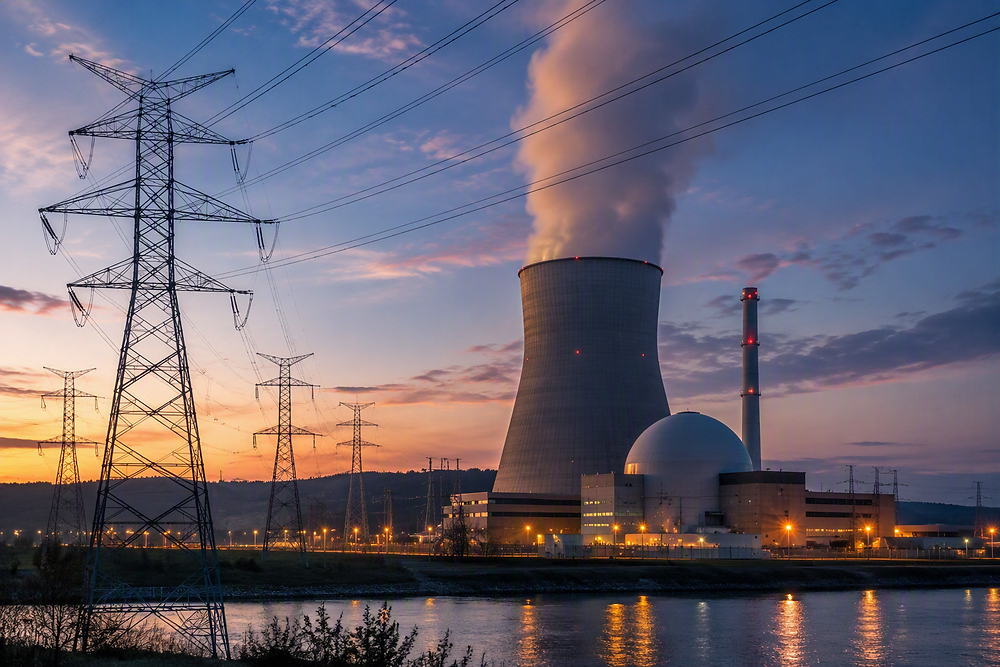

As investors focus on artificial intelligence, data centers, electric vehicles, and the resurgence of U.S. manufacturing, a critical question is emerging: Will America's energy infrastructure be able to keep up with demand?
A recent economic commentary from First Trust Economics highlights a growing disconnect between rising electricity demand and the nation's ability to deliver reliable power where it's needed most. Aging transmission systems, lengthy permitting processes, and underinvestment in grid infrastructure are creating potential bottlenecks that could shape economic growth and investment opportunities for years to come.
The Demand for Electricity Is Accelerating
For nearly 15 years, U.S. electricity consumption remained relatively flat as efficiency gains offset population and economic growth. That trend has changed dramatically.
Forecasts for nationwide electricity demand have been revised sharply higher due to several powerful forces:
-
Expansion of AI-driven data centers
-
Electrification of transportation
-
Growth in domestic manufacturing and reshoring
-
Increased digital infrastructure requirements
Current projections suggest U.S. electricity demand could rise more than 30% by 2030 compared to current levels.
The U.S. Is Falling Behind in Power Capacity Growth
While demand is accelerating, power generation capacity has not kept pace.
According to the report:
-
China has increased generation capacity by approximately 266% since 2011.
-
The United States has increased capacity by approximately 30% during the same period. ( of note, they were way behind the US in generating and distribution capacity)
-
In 2025 alone, China added 543 gigawatts of new capacity compared to 52 gigawatts in the United States. This growing gap highlights the importance of infrastructure investment as electricity becomes increasingly vital to economic competitiveness and national security.
The Grid May Be the Real Bottleneck
The challenge is not simply producing more energy. The larger issue is moving that energy efficiently across the country.
The American Society of Civil Engineers assigned U.S. energy infrastructure a D+ grade, citing:
-
Aging transmission lines
-
Congested interconnection queues
-
Underinvestment in high-voltage transmission projects
-
Growing strain on existing infrastructure As demand rises, these limitations could create reliability concerns and increase costs for businesses and consumers alike.
Renewable Growth Is Strong, But Reliability Matters
Between 2025 and 2030, approximately 231 gigawatts of new capacity are expected to come online, with solar and battery storage representing the majority of planned additions.
While renewable energy and storage technologies continue to improve, battery storage serves a different role than traditional power generation. Batteries store electricity for later use but do not generate power themselves, making dependable baseload and dispatchable generation an ongoing necessity.
This creates an important balancing act as the nation transitions toward a more diversified energy mix.
Investment Implications
Major infrastructure transitions often create significant investment opportunities.
Areas that may benefit from increased spending include:
-
Electric utilities
-
Transmission and distribution infrastructure
-
Grid modernization technologies
-
Energy storage solutions
-
Natural gas infrastructure
-
Industrial and engineering firms supporting grid expansion
Investors may also find opportunities in companies developing technologies that improve efficiency, reduce peak demand, and strengthen grid resilience.
What We're Watching at Quantum Private Wealth
At Quantum Private Wealth, we believe long-term investment success comes from identifying structural trends before they become widely recognized.
The intersection of artificial intelligence, electrification, infrastructure investment, and energy security represents one of the most significant economic themes of the coming decade. While market headlines often focus on technology companies, the infrastructure required to power that growth may be equally important.
As energy demand continues to rise, we will be closely monitoring developments in:
-
Grid modernization
-
Utility capital spending
-
Energy infrastructure investment
-
Data center power consumption
-
Federal and state permitting reforms
-
Long-term energy security initiatives
The companies enabling America's energy transition may play a critical role in shaping future investment opportunities.
Let's Talk
If you would like to discuss how long-term infrastructure and energy trends fit into your investment strategy, contact Quantum Private Wealth. We can help evaluate opportunities and risks within the evolving energy landscape while keeping your financial plan aligned with your long-term goals.
Quantum Private Wealth LLC. is an investment adviser located in Tampa, Florida, Lake Forest, Illinois, and Frankfort, Michigan. Quantum Private Wealth LLC. is registered with the Securities and Exchange Commission (SEC). Registration of an investment adviser does not imply any specific level of skill or training and does not constitute an endorsement of the firm by the Commission. Quantum Private Wealth LLC. only transacts business in states in which it is properly registered or is excluded or exempted from registration. A copy of Quantum Private Wealth's current written disclosure brochure filed with the SEC which discusses among other things, our business practices, services, and fees, is available through the SEC’s website at: *www.adviserinfo.sec.gov. Please note, the information provided in this document is for informational purposes only and investors should determine for themselves whether a particular service or product is suitable for their investment needs. Please refer to the disclosure and offering documents for further information concerning specific products or services
.